Unveiling the Hidden Gems
In a world where travel has become more accessible, many adventurers seek to escape the crowds and explore lesser-known outdoor destinations that promise unique and unforgettable experiences. Far away from the tourist hotspots, these hidden gems beckon brave souls with their untouched beauty, diverse landscapes, and thrilling activities. In this article, we embark on a journey to unveil some of the world’s most exciting lesser-known outdoor destinations, inviting adventure seekers to discover the untamed wonders that lie off the beaten path. Listed below are the top 5 best-hidden tourist destinations that are exhilarating.
Raja Ampat, Indonesia – Aquatic Paradise Unraveled:
Located in Indonesia’s remote West Papua province, Raja Ampat is an aquatic paradise that has long remained hidden from mainstream tourism. This archipelago boasts some of the most biodiverse marine life on the planet, making it a dream destination for divers and snorkelers. Beneath the crystal-clear waters, vibrant coral reefs teem with colorful fish, manta rays, and even rare species like pygmy seahorses. Raja Ampat’s rugged islands, hidden lagoons, and secluded beaches are a haven for those seeking an off-the-grid island escape.
Natural Beauty and Biodiversity:
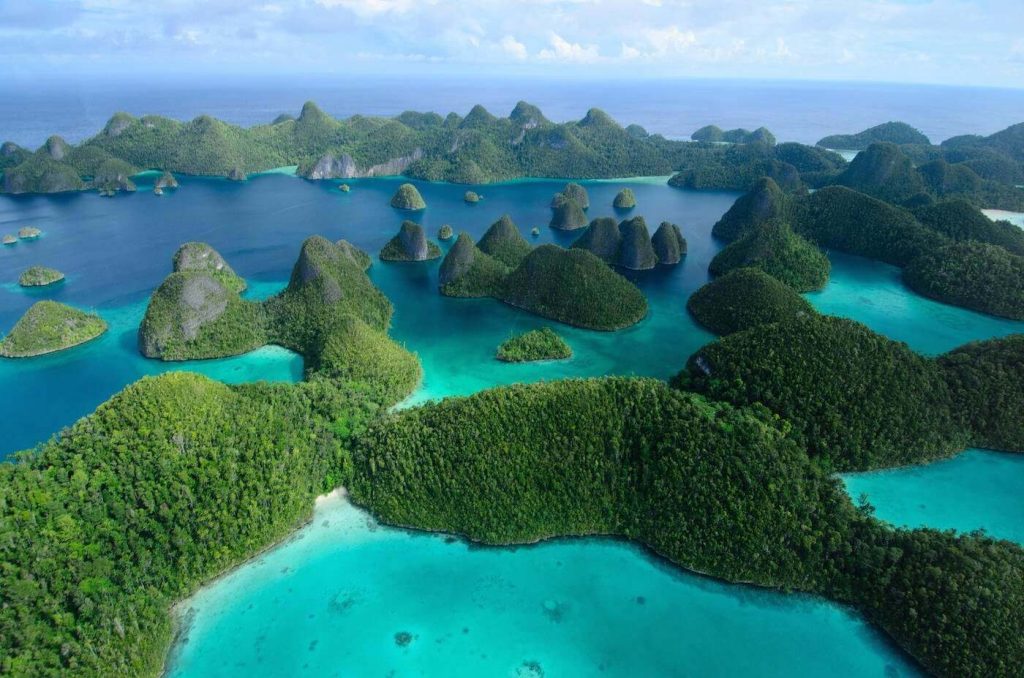
Raja Ampat boasts a breathtaking natural beauty that is unparalleled. The region is an idyllic blend of lush greenery, majestic limestone cliffs, turquoise waters, and hidden lagoons. The numerous karst islands covered in dense rainforests create a surreal backdrop, making Raja Ampat a photographer’s delight.
However, the real gem lies beneath the surface of the sea. The archipelago is home to the world’s most biodiverse marine life. The coral reefs here are thriving, and the variety of marine species is astonishing. Diving and snorkeling enthusiasts are treated to an underwater wonderland filled with vibrant coral gardens, schools of fish, manta rays, sharks, and even rare creatures like pygmy seahorses. Conservation efforts by locals and international organizations have played a vital role in preserving this delicate marine ecosystem.
Cultural Richness:

Beyond its natural wonders, Raja Ampat offers an opportunity to immerse oneself in the local culture. The people of Raja Ampat are warm, friendly, and known for their traditional way of life. Their customs, art, and ancient traditions are fascinating to explore. Visitors can witness colorful dances, hear traditional music, and observe intricate handicrafts made by skilled locals.
Homestays in traditional villages are popular among tourists seeking an authentic experience. By staying with local families, visitors can gain insights into the day-to-day life of the Raja Ampat people, fostering cultural exchange and mutual understanding.
Sustainable Tourism:
Raja Ampat has recognized the importance of preserving its pristine environment and cultural heritage. Efforts have been made to promote sustainable tourism practices that minimize the impact on delicate ecosystems. Eco-friendly resorts and dive operators follow strict guidelines to protect marine life and reduce waste. Furthermore, visitors are encouraged to respect the local customs and natural surroundings, ensuring this paradise remains intact for generations.
Adventure and Exploration:
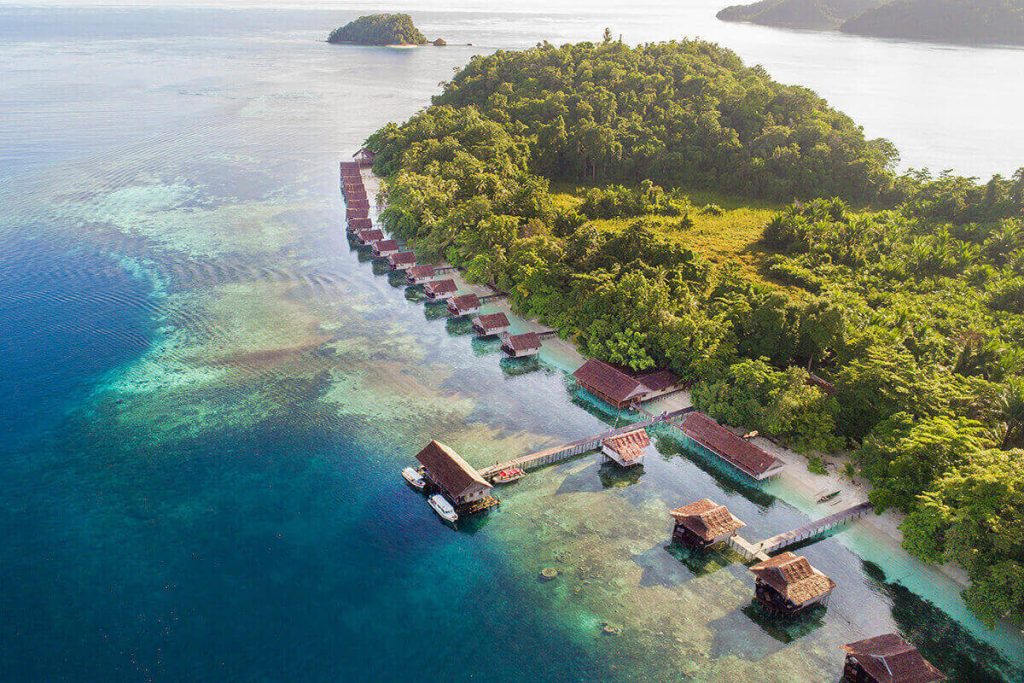
For adventure enthusiasts, Raja Ampat offers many activities to indulge in. Visitors can trek through the lush jungles, climb karst peaks for breathtaking views, and explore hidden caves besides diving and snorkeling. Kayaking and paddleboarding in the calm waters allow travelers to witness the awe-inspiring landscapes up close.
In contrast, Raja Ampat is a true gem among travel destinations. Its unparalleled natural beauty, rich marine biodiversity, and vibrant local culture create an unforgettable experience for every traveler. This remote paradise has balanced preserving its delicate environment and sharing its wonders with the world through sustainable tourism. A journey to Raja Ampat offers a chance to witness nature’s grandeur and leaves visitors with a profound appreciation for the importance of conservation and cultural diversity.
Bhutan: The Enchanting Kingdom of the Thunder Dragon
In the Eastern Himalayas, Bhutan is often called the “Kingdom of Happiness.” This enchanting country allows adventure seekers to explore pristine landscapes, dense forests, and snow-capped peaks. Trekking through the dramatic landscapes of the Paro Valley or embarking on the challenging Snowman Trek can lead to encounters with nomadic herders and rare wildlife, like the elusive snow leopard. Bhutan’s commitment to preserving its unique culture and environment makes it an alluring destination for travelers seeking authenticity and tranquility.
Geography and Nature’s Bounty:

Bhutan’s geographical diversity is a spectacle to behold. This landlocked country offers an array of landscapes, from snow-capped peaks to lush valleys. The majestic mountains, including the revered Mount Jomolhari, invite trekkers and mountaineers to challenge themselves in breathtaking terrains. The picturesque valleys, adorned with vibrant rhododendron forests, present a tranquil escape from the hustle of modern life.
Bhutan’s abundant natural wealth is preserved through a unique conservation policy that prioritizes environmental sustainability. Over 70% of the country remains forested, creating a haven for diverse flora and fauna. Endangered species like the takin, the national animal, and the iconic black-necked crane find sanctuary in Bhutan’s protected areas.
Cultural Heritage:
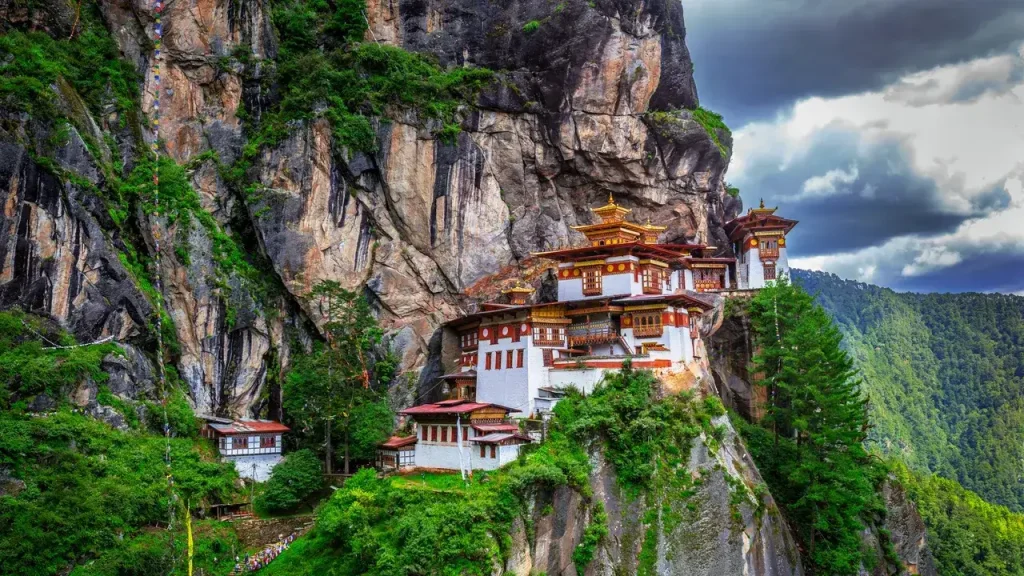
Bhutan’s culture is deeply rooted in Buddhism, and its people cherish traditional values and customs. The country is adorned with dzongs (fortresses) and monasteries that showcase intricate architecture and serve as spiritual centers. Paro Taktsang, or the Tiger’s Nest Monastery, perched precariously on a cliffside, is one of Bhutan’s most iconic landmarks and a testament to the nation’s devotion to Buddhism.
The vibrant festivals, such as the Paro Tsechu and Thimphu Tshechu, offer a glimpse into Bhutan’s rich cultural tapestry. Masked dances, traditional music, and elaborate costumes are integral to these celebrations, attracting travelers worldwide.
Gross National Happiness (GNH)
Bhutan’s philosophy of Gross National Happiness (GNH) sets it apart from most other nations. Rather than focusing solely on economic development, GNH emphasizes the holistic well-being of its citizens. It encompasses four pillars: sustainable and equitable socio-economic development, conservation of the environment, preservation of culture, and good governance. This unique approach puts people’s happiness at the heart of Bhutan’s policies, creating a society that values contentment and harmony.
The Warmth of Bhutanese People
While the picturesque landscapes and cultural wonders are undoubtedly captivating, it is the Bhutanese people themselves who leave an indelible mark on travelers. Known for their genuine warmth and hospitality, the Bhutanese welcome visitors with open arms. Their kindness and humility create a welcoming atmosphere that makes travelers feel at home.
Bhutan offers a travel experience like no other. Its natural beauty, rich cultural heritage, and emphasis on happiness and well-being make it a unique destination that leaves a lasting impression on the soul. As one travels through this enchanting kingdom, one will be captivated by the serene landscapes, immersed in the vibrant culture, and touched by the genuine warmth of the Bhutanese people. Whether seeking adventure, spiritual enlightenment, or a deeper understanding of happiness, Bhutan is a destination that fulfills every traveler’s desires and lingers in their hearts forever.
Faroe Islands – Nordic Wilderness and Dramatic Cliffs
The Faroe Islands, an autonomous territory of Denmark, present a captivating blend of Nordic charm and wild landscapes. With just a few thousand visitors each year, these remote islands offer a sense of exclusivity to adventure seekers. The rugged cliffs, cascading waterfalls, and puffin-filled cliffs make the Faroe Islands a photographer’s dream. Hiking trails that wind through the misty fjords and ancient villages invite travelers to immerse themselves in the untamed beauty of this Nordic wonderland.
Nature’s Masterpiece:
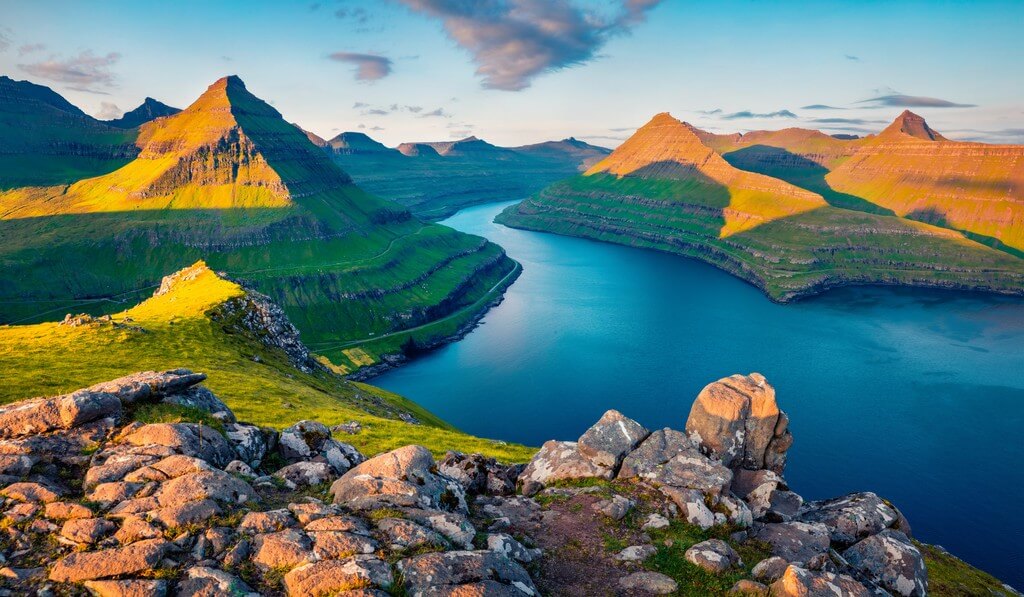
The Faroe Islands boast dramatic scenery characterized by sheer cliffs, deep fjords, cascading waterfalls, and lush green valleys. Hiking enthusiasts are in for a treat as the islands offer an array of hiking trails, each leading to stunning vistas that seem straight out of a postcard. The most famous hike, perhaps, is the one to the summit of Slættaratindur, the highest mountain in the archipelago, where travelers can capture sweeping views of the surrounding islands and the endless horizon.
A Photographer’s Paradise:
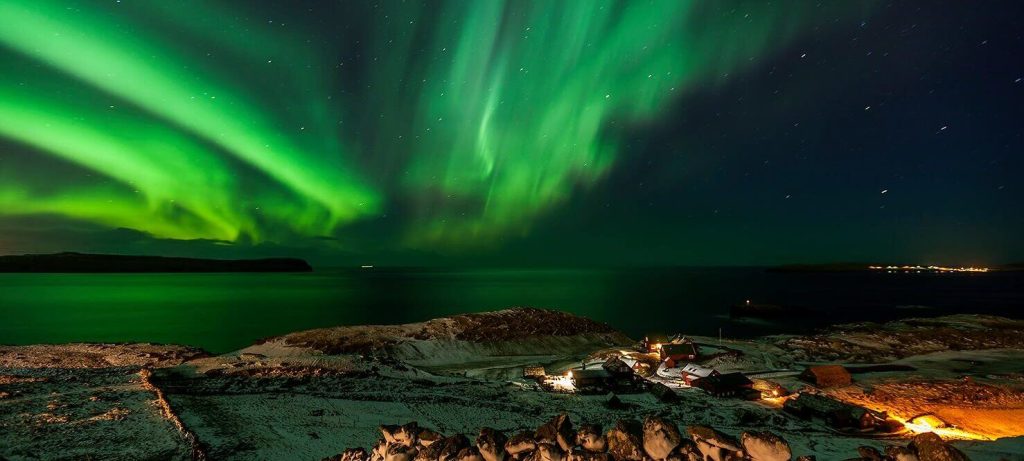
For photographers, the Faroe Islands are an absolute paradise. The ever-changing weather, from clear skies to misty clouds, creates a dynamic atmosphere that paints the landscapes with a mesmerizing palette of colors. The islands are home to a diverse range of bird species, including puffins, guillemots, and gannets, providing opportunities for wildlife photography enthusiasts to capture some truly extraordinary shots.
Cultural Richness:
Despite its small population, the Faroe Islands have a rich cultural heritage that spans centuries. The locals are proud of their Norse roots, and the ancient traditions and customs are still alive today. One of the most unique traditions is the annual Grindadráp, or pilot whale hunt, a controversial yet significant part of Faroese culture. Visitors interested in history can explore museums and traditional villages to learn about the island’s past and its fishing and farming roots.
Warm Hospitality:
The Faroese people are known for their warm hospitality and friendliness towards visitors. The locals are always eager to share stories about their homeland, offer insights into their way of life, and introduce travelers to their delicious traditional cuisine. The Faroese cuisine revolves around seafood, and tasting the freshest catch of the day in one of the local restaurants is a must for any food enthusiast.
Weather and Packing Tips:
Due to its location in the North Atlantic, the weather in the Faroe Islands can be unpredictable. Visitors should be prepared for sudden changes in conditions, with rain being a common occurrence. Packing waterproof and wind-resistant clothing, sturdy hiking shoes, and layers is recommended to adapt to the changing climate.
Responsible Tourism:
As the Faroe Islands’ popularity as a travel destination grows, travelers must practice responsible tourism. The islands’ delicate ecosystems and wildlife need to be protected and respected. Taking care not to disturb nesting birds, following designated hiking trails, and responsibly disposing of waste is essential to ensure the Faroe Islands remain pristine for generations.
The Faroe Islands offer a magical escape from the hustle and bustle of everyday life, where travelers can immerse themselves in the lap of nature steeped in history and tradition. Its untouched beauty, warm-hearted locals, and distinctive culture make it a destination worth exploring for any adventurous soul seeking an authentic and memorable experience. So, pack your bags, set your compass northward, and prepare to be captivated by the alluring charm of the Faroe Islands.
Namibia – Surreal Deserts and Desert-Adapted Wildlife
Namibia is an African gem that mesmerizes adventurers with its surreal desert landscapes and unique wildlife. From the vast red dunes of Sossusvlei in the Namib Desert to the wildlife-rich Etosha National Park, Namibia offers an otherworldly experience for nature lovers. Exploring the Skeleton Coast and encountering desert-adapted elephants and lions adds a thrilling element to the adventure. With its vast, uncrowded spaces, Namibia allows travelers to connect with nature intimately.
Namibia’s Deserts:
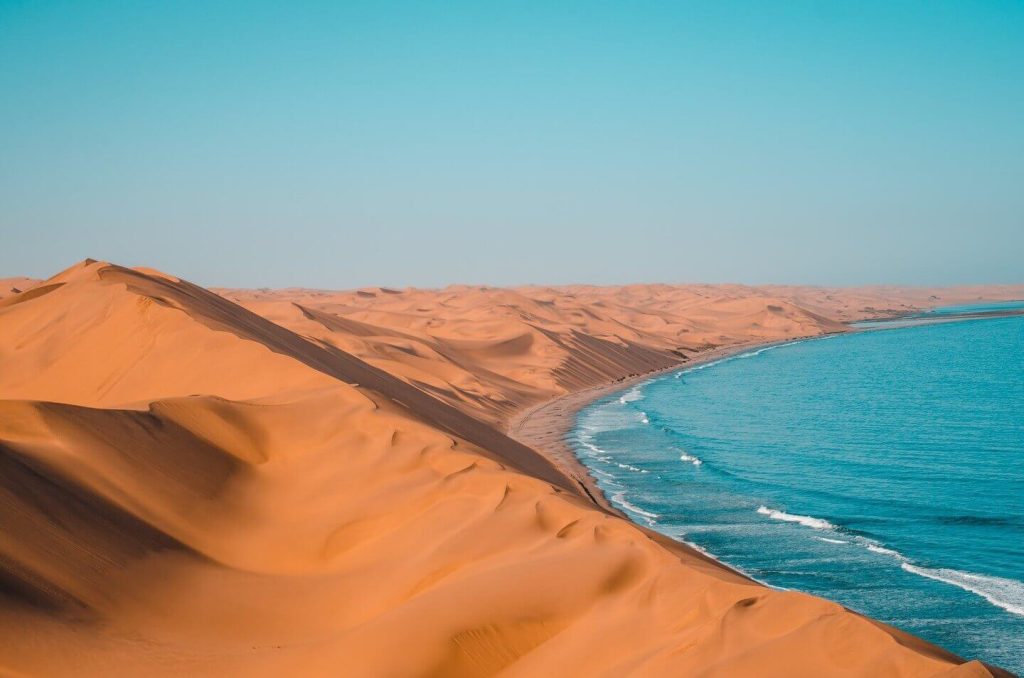
Namibia’s crown jewel is undoubtedly its remarkable desert landscapes. The Namib Desert, one of the oldest deserts on the planet, is a sight to behold. Its sprawling dunes, some towering as high as mountains, are a photographer’s dream, especially during sunrise and sunset when they come alive with shades of red and gold. Sossusvlei, a clay pan surrounded by these towering dunes, is a breathtaking highlight where travelers can witness nature’s artistic prowess.
The Fish River Canyon:
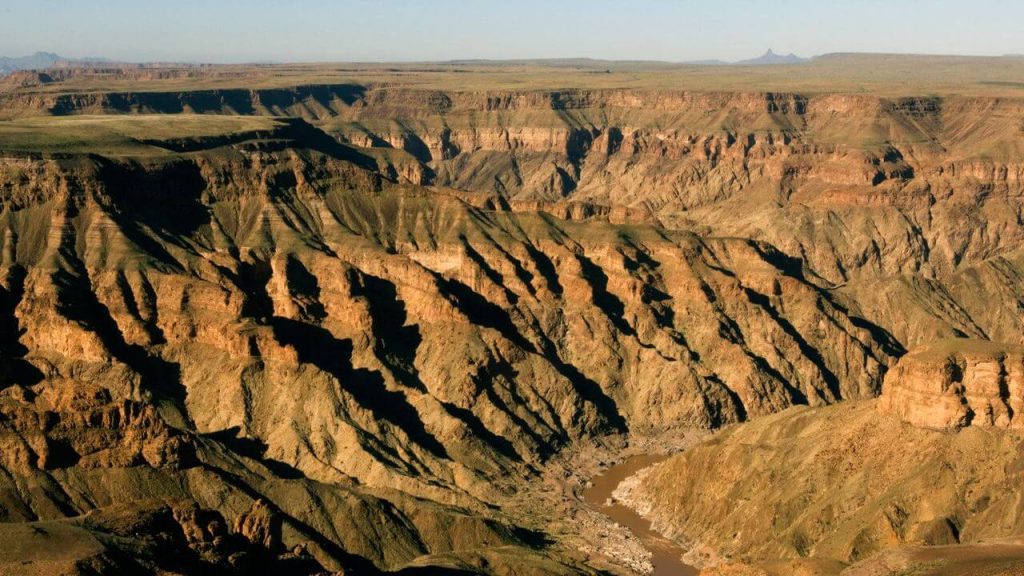
Another iconic natural wonder is the Fish River Canyon, the second-largest canyon in the world. This geological marvel offers an adventurous hiking experience through rugged terrain and promises spectacular vistas from its rim. The vastness and isolation of these landscapes instill a sense of wonder, making travelers feel humbled by the sheer magnificence of nature.
Etosha National Park:
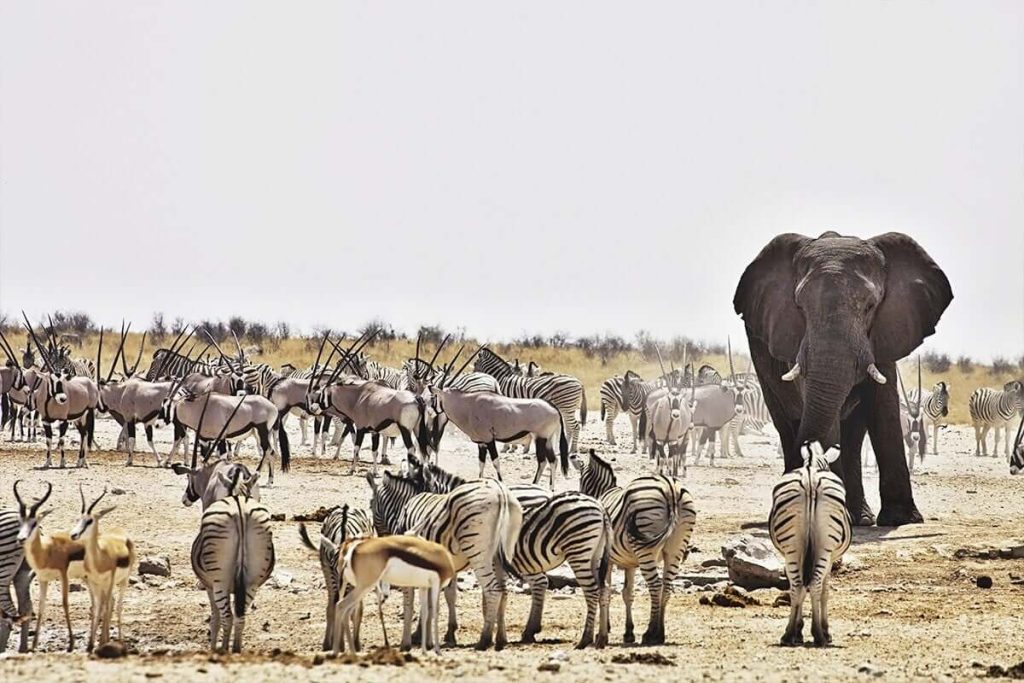
Namibia’s diverse wildlife adds to the allure of the country. Etosha National Park, one of Africa’s premier game reserves, beckons wildlife enthusiasts with its abundant fauna. The vast salt pan at the heart of the park attracts a variety of animals, including elephants, lions, giraffes, and the rare black rhino. Game drives and guided safaris offer thrilling encounters with these majestic creatures, leaving travelers with unforgettable memories.
Apart from its natural wonders, Namibia’s cultural richness is equally captivating. The country is home to various ethnic groups with unique traditions and customs. The Himba people, known for their ochre-covered bodies and intricate jewelry, provide an insight into their ancient way of life. Visiting their settlements and interacting with the locals offers a glimpse into the resilience and adaptability of Namibia’s indigenous communities.
Namibia’s commitment to conservation and sustainable tourism is commendable. The country’s efforts to preserve its natural heritage and protect endangered species have earned it a reputation as a responsible and eco-conscious destination. Travelers can participate in community-based initiatives and gain an appreciation for the delicate balance between humans and wildlife.
As with any travel destination, Namibia presents some challenges. The vastness and remoteness of certain areas require careful planning and preparation. Travelers must be well-informed about the climate, road conditions, and safety measures, especially when embarking on self-drive adventures.
Patagonia, Chile: Where Wilderness Meets Adventure
Tucked away at the southern tip of South America, Patagonia is a vast and remote region across Chile and Argentina. While the Argentinean side is relatively well-known, the Chilean side holds hidden treasures for adventure seekers. With its towering glaciers, pristine fjords, and rugged mountains, Chilean Patagonia offers a playground for hikers, climbers, and wildlife enthusiasts. Torres del Paine National Park, a UNESCO Biosphere Reserve, is a highlight where travelers can embark on multi-day treks and witness the enchanting beauty of granite spires and azure lakes.
Awe-Inspiring Landscapes:
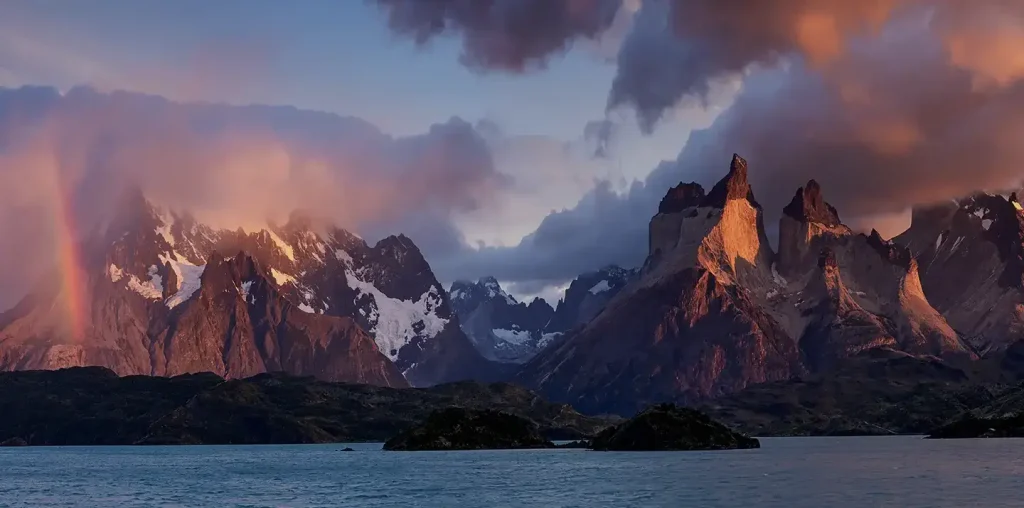
Patagonia’s natural beauty is astounding. Towering over the horizon, the Andes Mountains form a majestic backdrop, with jagged peaks and sweeping valleys that mesmerize visitors. Among the most iconic features is the Torres del Paine National Park, a UNESCO Biosphere Reserve, home to the iconic Torres del Paine granite towers that pierce the skies, creating a surreal and unforgettable sight.
Glacier Wonderland:
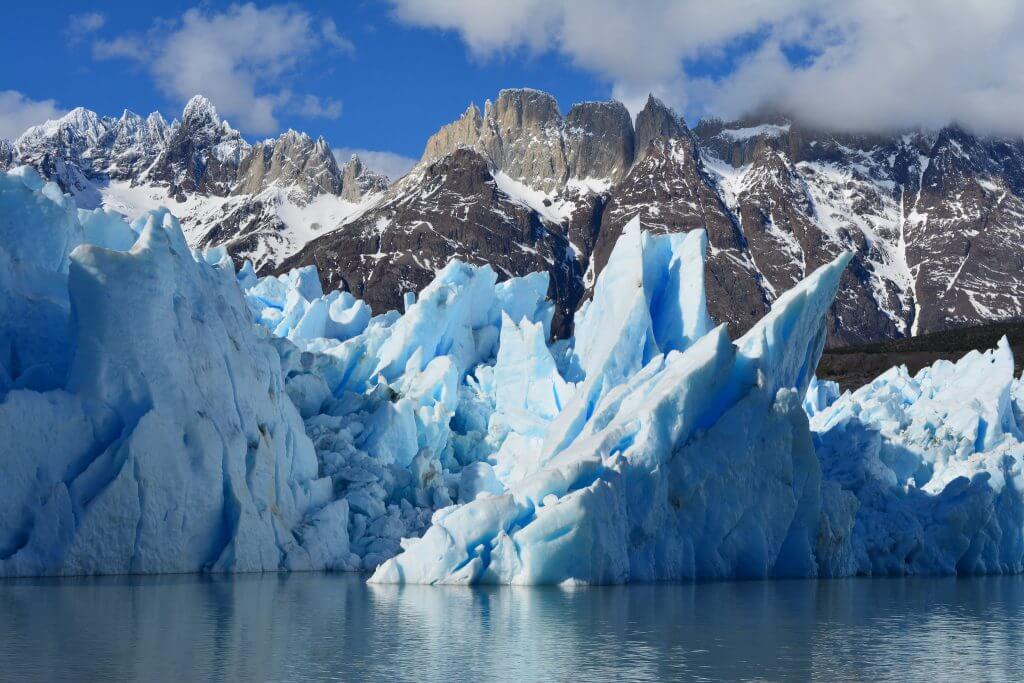
Patagonia boasts some of the most impressive glaciers on the planet, with Perito Moreno Glacier being the most famous one. This colossal ice mass showcases captivating blue hues and offers a chance to witness the impressive spectacle of ice calving. Travelers can take guided tours to walk on the glacier or observe it from nearby viewpoints, getting an up-close encounter with nature’s frozen wonders.
Adventure Paradise:
For adventure enthusiasts, Patagonia is a haven of thrilling activities. From trekking and hiking through challenging terrains to rock climbing the Andean peaks, there’s something for every thrill-seeker level. The W Trek in Torres del Paine is particularly famous for its stunning vistas and diverse landscapes, making it a must-do for those passionate about trekking.
Wildlife Encounters:
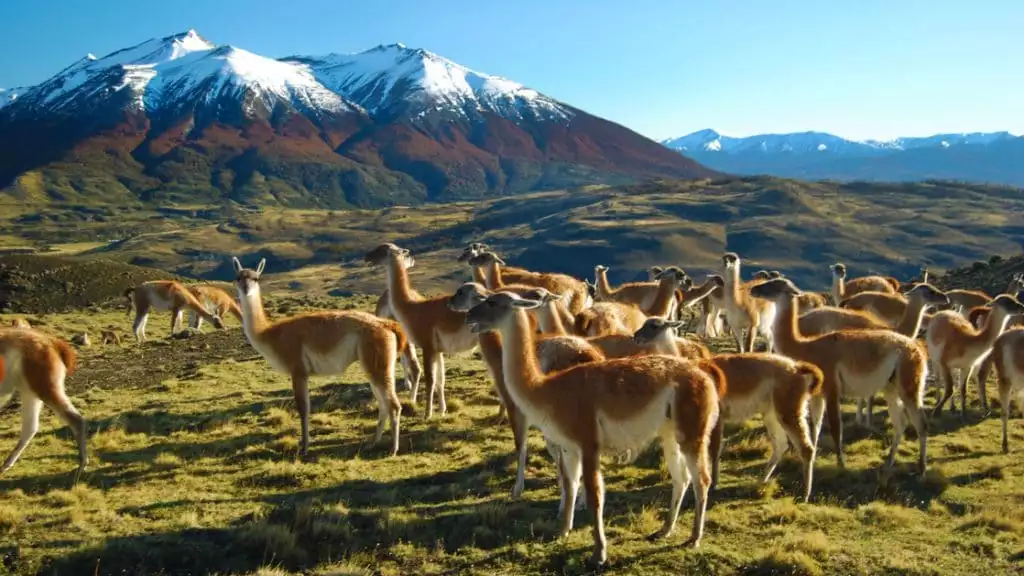
Patagonia’s wildlife is as diverse as its landscapes. Pumas, guanacos, foxes, and the endangered huemul deer roam the grasslands and forests, providing ample opportunities for wildlife spotting. For bird lovers, the region hosts an array of avian species, including majestic condors soaring high above. Patagonia is a wildlife enthusiast’s paradise, offering unique encounters with nature’s wonders.
Cultural Richness:
While Patagonia is known for its untamed wilderness but boasts a rich cultural heritage, the indigenous communities of the Mapuche and the Aonikenk, with their fascinating traditions and unique ways of life, add an enriching dimension to the travel experience. Engaging with the local culture through traditional dances, crafts, and cuisine provides a deeper appreciation of the region’s history and people.
Stargazing Wonder:
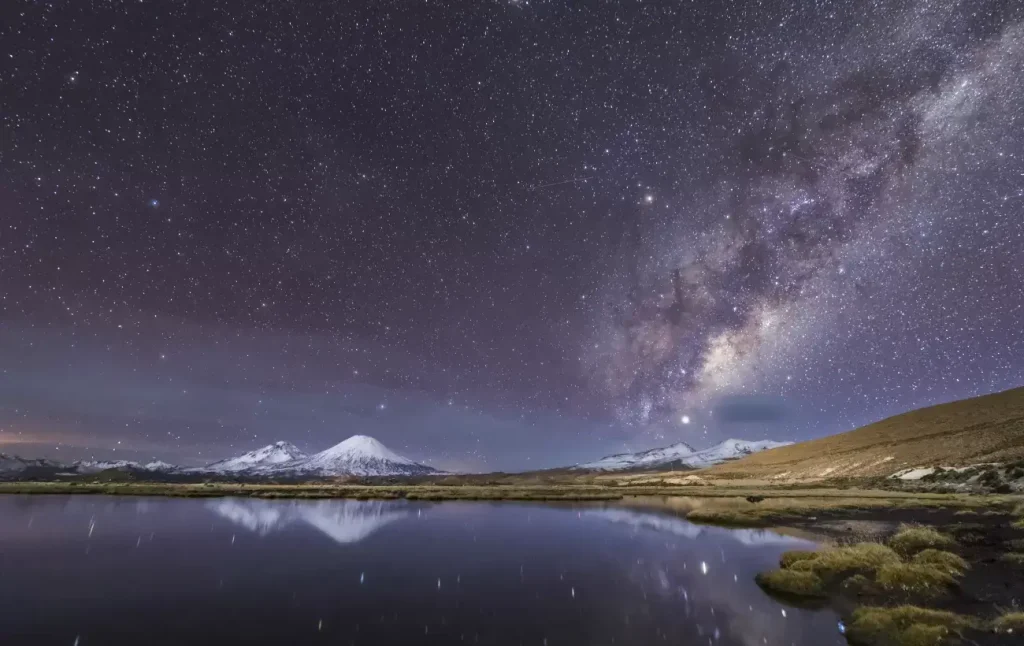
Patagonia offers some of the clearest and darkest skies from the city lights, perfect for stargazing. The region’s remoteness and unpolluted atmosphere create an ideal environment for astronomy enthusiasts to observe the constellations and the Southern Hemisphere’s celestial wonders in all their glory.
Sustainability and Conservation:
Patagonia has embraced sustainability and conservation efforts as more travelers seek ecologically responsible travel experiences. Numerous eco-lodges and tour operators adhere to strict environmental practices to minimize the impact on fragile ecosystems. Visiting Patagonia allows travelers to contribute positively to preserving this natural wonder.
Conclusion: Exploring the Unexplored
As we journey into uncharted territories, we are rewarded with the awe-inspiring beauty of untouched landscapes, the thrill of encountering new cultures, and the joy of connecting with fellow explorers. The unexplored offers a canvas of endless possibilities, where we can leave behind the constraints of routine and let our imaginations run wild.
Moreover, exploring the unexplored is not just about physical places; it can also be a metaphor for delving into uncharted territories within ourselves. It presents an opportunity to discover hidden talents, confront fears, and find the strength to overcome obstacles.
Yet, as we embark on these journeys, we must do so responsibly and respectfully. The unexplored holds delicate ecosystems and communities; we must preserve and protect them for future generations. Sustainable and mindful exploration allows us to leave a positive impact and ensure that these treasures remain for others to discover and cherish.
Ultimately, embracing the unexplored enriches our lives in ways we could never imagine. It ignites a sense of wonder, humbles us before the vastness of our planet, and reminds us of the power of curiosity and the human spirit. So, let us dare to step into the unexplored, for it is in these journeys that we find the world and ourselves.